
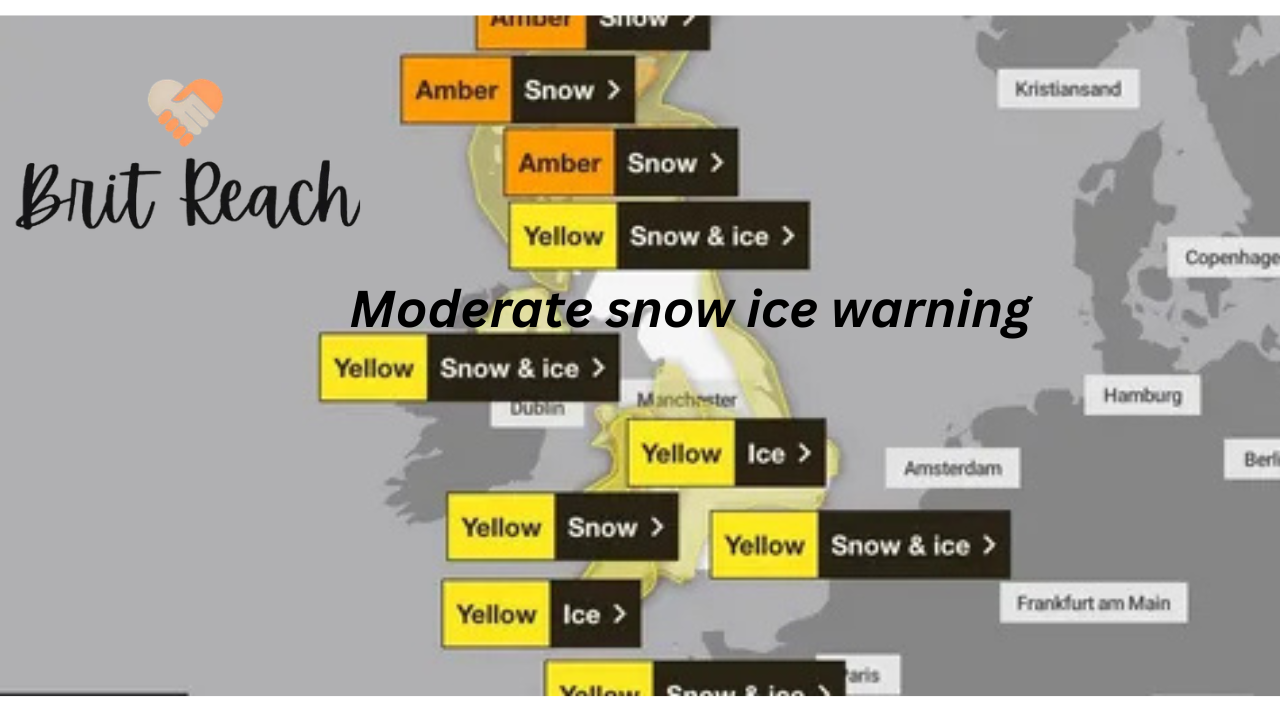
When winter tightens its grip, weather alerts become more than just notifications — they become essential survival information. One of the most commonly issued cold-season alerts is a Moderate Snow Ice Warning. While it may not sound as dramatic as a blizzard warning, it carries serious implications for travel, infrastructure, and public safety.
In this comprehensive guide, we’ll break down everything you need to know about a Moderate Snow Ice Warning — including its meaning, impact, background, economic effects, safety precautions, and frequently asked questions.
Quick Bio: Moderate Snow Ice Warning
| Detail | Information |
|---|---|
| Name | Moderate Snow Ice Warning |
| Category | Weather Advisory / Winter Weather Alert |
| Issued By | Meteorological Agencies |
| Purpose | To warn the public about moderate snowfall combined with ice accumulation |
| Main Risks | Slippery roads, power outages, reduced visibility, travel disruption |
| Common Season | Late Autumn to Early Spring |
| Severity Level | Moderate (Between Advisory and Severe Warning) |
What Is a Moderate Snow Ice Warning?
A Moderate Snow Ice Warning is issued when snowfall and ice accumulation are expected to create hazardous but not extreme conditions. It typically indicates:
- Snow accumulation that affects road travel
- Ice buildup on roads, bridges, and sidewalks
- Risk of vehicle accidents
- Possible minor infrastructure damage
Weather authorities like the National Weather Service issue these alerts when winter precipitation is expected to significantly impact daily life but may not reach blizzard or severe storm criteria.
This warning sits between a Winter Weather Advisory and a Severe Winter Storm Warning in terms of intensity.
Career & Evolution of the Moderate Snow Ice Warning
Although it’s not a person, we can think of this weather alert as having a “career” in public safety.
Early Development
Weather warning systems began evolving in the early 20th century when governments realized the economic and human cost of unpredicted storms. As forecasting technology improved, authorities introduced tiered warning systems to better communicate risk levels.
Growth with Technology
With radar advancements, satellite imaging, and AI-driven weather modeling, moderate-level warnings became more accurate. Today, meteorologists can predict:
- Ice accretion levels
- Snow-to-liquid ratios
- Road surface temperature impacts
- Wind-driven freezing rain patterns
This improved accuracy helps reduce over-warning (which causes public fatigue) and under-warning (which causes damage and accidents).
Modern Role
In today’s climate-sensitive world, moderate snow and ice warnings play a crucial role in:
- School closures
- Flight delays
- Highway travel restrictions
- Power company readiness
- Emergency service preparation
Why Moderate Snow and Ice Is Dangerous
Many people underestimate moderate snow events because they are not labeled “severe.” However, moderate ice combined with snow can be more dangerous than heavy snowfall alone.
1. Black Ice Formation
Thin ice layers are often invisible. Drivers may lose traction without warning, leading to sudden accidents.
2. Bridge Freezing
Bridges freeze before roads due to air circulation above and below them.
3. Reduced Visibility
Moderate snowfall, combined with wind, can reduce visibility enough to increase collision risk.
4. Tree and Power Line Damage
Ice accumulation adds weight to tree branches and power lines, increasing outage risks.
Economic Impact
Even moderate snow and ice warnings can cost cities millions.
Transportation Disruptions
- Flight cancellations
- Delayed freight shipments
- Public transport shutdowns
Business Loss
- Retail closures
- Reduced customer traffic
- Remote work adjustments
Infrastructure Spending
- Road salting and plowing
- Emergency services overtime
- Utility repair operations
For logistics companies, a moderate snow ice warning can delay deliveries by 24–72 hours depending on region and severity.
Family & Community Impact
Winter warnings affect more than roads — they impact daily family life.
School Closures
Parents may need emergency childcare or work-from-home arrangements.
Health Risks
- Slips and falls
- Hypothermia
- Carbon monoxide poisoning from improper heating
Elderly and Vulnerable Populations
Ice increases fall risk for seniors. Community support systems become essential during these events.
How Long Does a Moderate Snow Ice Warning Last?
Duration varies depending on the storm system. Typically:
- 6 to 24 hours for fast-moving systems
- Up to 48 hours if multiple waves of precipitation occur
Ice accumulation is often the longer-lasting issue, even after snowfall stops.
Safety Tips During a Moderate Snow Ice Warning
1. Avoid Unnecessary Travel
If possible, delay driving until roads are cleared.
2. Winterize Your Vehicle
- Check tire tread
- Ensure antifreeze levels are correct
- Keep windshield washer fluid full
3. Prepare an Emergency Kit
Include:
- Flashlight
- Blanket
- Water
- Non-perishable snacks
- Phone charger
4. Protect Your Home
- Insulate exposed pipes
- Keep heating systems maintained
- Stock salt or sand for walkways
5. Check on Neighbors
Especially elderly or disabled residents.
Moderate Snow Ice Warning vs Other Winter Alerts
| Alert Type | Severity | Impact |
|---|---|---|
| Winter Weather Advisory | Low | Minor travel inconvenience |
| Moderate Snow Ice Warning | Medium | Hazardous travel, ice accumulation |
| Winter Storm Warning | High | Major snowfall, significant disruption |
| Blizzard Warning | Severe | Whiteout conditions, extreme danger |
Understanding the difference helps prevent panic while still encouraging preparedness.
Climate Change and Winter Weather Patterns
Interestingly, climate shifts have changed snowfall dynamics. Warmer air holds more moisture, which can lead to heavier snowfall in some regions. However, fluctuating temperatures also increase freezing rain events — making ice warnings more frequent in certain areas.
This means moderate snow ice warnings may become more common in transitional climate zones.
Net Worth: The Cost Behind Winter Warnings
While a weather warning itself doesn’t have financial value, the “net worth” of its impact can be measured economically.
Estimated Costs of Moderate Snow Events
- Road treatment per mile: Thousands of dollars
- Citywide snow response: Millions
- Power outage repairs: Variable depending on scale
Municipal winter budgets often allocate significant funding just to respond to moderate-level storms.
Psychological Impact of Winter Warnings
Weather alerts also affect mental well-being.
- Increased anxiety in drivers
- Seasonal depression intensification
- Isolation due to road conditions
Being informed — but not alarmed — is key to managing stress during these events.
How Meteorologists Determine “Moderate”
Factors considered include:
- Snow accumulation forecast (often 2–6 inches depending on region)
- Ice accretion measurement (0.1–0.25 inches)
- Temperature trends
- Wind speed
Regional standards vary because what’s “moderate” in one state might be severe in another.
Preparing Your Business for a Moderate Snow Ice Warning
For business owners, preparation is critical.
Operational Strategies:
- Remote work activation
- Early shipment dispatch
- Customer communication updates
- Snow removal contracts
Planning ahead minimizes revenue loss.
Frequently Asked Questions (FAQs)
1. Is a Moderate Snow Ice Warning serious?
Yes. While not extreme, it indicates hazardous travel conditions and potential ice accumulation that can cause accidents and power outages.
2. How much snow qualifies as moderate?
It depends on region, but generally between 2–6 inches combined with measurable ice accumulation.
3. Should schools close during a Moderate Snow Ice Warning?
Decisions vary by district. Ice risk often plays a larger role than snowfall totals in closure decisions.
4. Can moderate ice damage power lines?
Yes. Even small ice accumulations can add significant weight to power lines and tree branches.
5. What is the biggest danger during these warnings?
Black ice and freezing rain are often more dangerous than snow because they are harder to detect.
Final Thoughts
A Moderate Snow Ice Warning may not sound dramatic, but its impact can be widespread and costly. From slippery highways to power outages and business interruptions, moderate winter events demand serious attention.
The key difference between chaos and control during these weather events lies in preparation. Understanding what the warning means, planning ahead, and responding calmly ensures safety for individuals, families, and communities alike.
Winter weather doesn’t have to catch you off guard. With awareness, readiness, and smart decisions, even moderate snow and ice conditions can be managed safely and efficiently.